Hey everyone, if you’re working in live events, theatre, or any space with stage mechanical gear, you know how crucial that stuff is—those hoists, drapers, lifting rigs, all the little parts that make a show run smooth. Let me guess, you’ve run into moisture messing with your gear at some point, right? Maybe a show got delayed because a hoist seized up after a rainy load-in, or rust started popping on rig supports that you thought were sealed tight. As a stage mechanical equipment supplier, I’ve seen way too many of these headaches, so today I’m breaking down what actually works to keep moisture from ruining your kit—no fancy jargon, just stuff we’ve tested in real venues day after day. Stage Mechanical Equipment
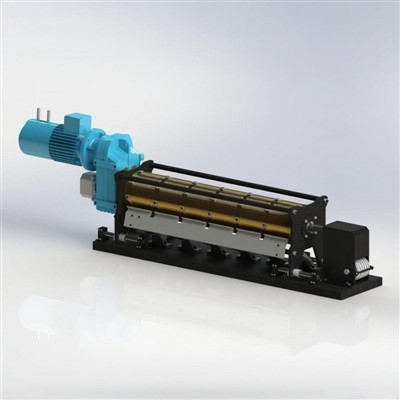
First off, let’s get real about where moisture on stage gear even comes from. It’s not just rain dripping in from a broken theatre roof (though that’s definitely a culprit). Venues are often damp spaces—basement rigging lofts don’t have great ventilation, concert stages get steam from concession stands or audience breath during winter, even cleaning crews hosing down the floor can splash up enough mist to hit overhead equipment. Plus, big temperature swings—like a rig sitting cold overnight before a weekend show, then heating up fast when the venue fills up—cause condensation, that invisible water vapor that’s way sneakier than obvious spills. I once had a client in a small regional theatre call me panicking because their main line hoist stopped lifting mid-press run, and when we pulled the motor cover off, it was just coated in condensation that had shorted a sensor. No rain, no spills, just bad air flow in the loft. That’s the stuff you can’t ignore.
Let’s start with the most basic fix that most venues skip: regular, no-nonsense inspections. I know your to-do list is already stacked with show prep, load-ins, tech rehearsals, but a 10-minute check every week can save you from a $5,000 repair bill or a cancelled show. Here’s what to actually look for, not just a once-over. First, check all the exposed metal parts—hoist chains, rigging bolts, cable ends. Even a tiny spot of surface rust is a red flag; moisture doesn’t stop at the surface, it’s eating into the metal underneath. Next, peek inside any open motor housings or control boxes (obviously unplug power first, safety first). If you see condensation fogging the inside, or even just a damp spot, that’s air leakage doing its job. Also, don’t forget the less obvious stuff: the underside of stage floors where cables run, the support beams under the rig that sit in dust and moisture all day, even the control panels that sit on the front of house desk near cold drink stations. I tell all my clients to keep a cheap pack of cotton gloves in their tool kit—rub a gloved finger on all those parts; if it comes back damp, you’ve got moisture, plain and simple.
Next up, sealing the gaps where moisture gets in. Not all gear comes pre-sealed, especially the bulk stuff we supply, so you don’t need fancy industrial sealant for most of it. Let’s break down what works for different parts. For motor housings and control boxes—most of these have little vent holes to keep them from overheating, right? But those vents are also how moisture creeps in. The fix here is to use breathable, water-resistant vent filters. Wait, breathable means the motor doesn’t overheat, so you’re not trading moisture for a burnt motor—super important. We stock these, and they’re easy to snap in place, no tools needed for most models. For exposed metal parts like chains and rigging, don’t just use any old WD-40—that stuff evaporates fast, and it actually can trap moisture in the metal. Instead, go for a heavy-duty, dry film lubricant that’s designed for stage gear. It leaves a thin, protective layer that keeps water out but doesn’t attract dust, which is a huge pain because dust + moisture = gunk that ruins parts over time. I’ve seen clients try generic grease for chains, and within a month, the chain was so gummed up it wouldn’t move. Don’t do that—stick to the stuff made specifically for mechanical stage parts.
And for the big, open rigging assemblies? If you’re storing gear for a tour or a venue that’s not using it for a while, don’t just leave it out. We always recommend wrapping metal parts in a moisture barrier film—thick plastic that’s designed to block water vapor, not just regular garbage bag plastic. Add a little desiccant pack inside the wrap too—those little silica gel packs you get with new shoes? Don’t throw them away when your gear arrives, stock up. They absorb the moisture that gets trapped inside the wrap, even if there’s a tiny gap. I once had a tour client wrap their hoists for a 2-month off-season, skipped the desiccant, and when they opened them, there was enough condensation inside the wrap to make the chain rust. Add the desiccant, it takes 2 minutes and saves you so much trouble.
Now, let’s talk about controlling the environment around your gear, because even if you seal everything, if the air is damp, moisture will find a way. Venue HVAC systems are often set for comfort for the audience, not for the rig, so you have to adjust for your mechanical parts. First, make sure rigging lofts and storage areas have proper ventilation—no closed-off spaces. If a loft is super stuffy and damp, install a small, quiet dehumidifier. We supply compact, low-wattage dehumidifiers that run on venue power, don’t make noise that will mess with shows, and keep humidity levels below 50%—that’s the sweet spot for keeping metal parts rust-free. Also, watch those temperature swings. If a rig is going to sit cold overnight, leave a small space heater in the loft (again, low-noise, safe) to keep the temp steady, or run the HVAC a little while before load-in to warm up the space slowly. That stops condensation from forming, because condensation happens when warm air hits cold surfaces—steady temp means no condensation.
Wait, and one area people never think about: electrical connections. All those cables linking hoists to controllers? Moisture gets in there too, and bad connections cause so many glitches. After a rain-soaked load-in, or if you’ve cleaned around the stage, take a minute to disconnect all exposed connections, wipe the pins down with a dry microfiber cloth, and maybe spray a little dielectric grease on them. That grease keeps water out but doesn’t interfere with the electrical signal, so you don’t get laggy or unresponsive hoists mid-show. I’ve had clients skip this and have a hoist only lift half way when the lights came on—total nightmare for the cast running a scene on a flying set piece. That’s an easy fix, don’t sleep on it.
Let’s also talk about common mistakes people make that make moisture problems way worse. First, using generic cleaning products on your gear. A lot of venues use harsh cleaners to scrub the stage floor, and the fumes from those can actually damage seals on motor housings, making them more likely to let moisture in. Stick to mild, pH-neutral cleaners for the stage itself, and never spray cleaner directly on overhead gear—wipe it on a cloth first, then wipe the gear. Second, ignoring small leaks. If you notice a drip from a pipe near the rig, or a roof leak spot, fix it right away. I had a client who waited two months to fix a tiny roof leak, and by then three of their hoist motors were ruined. Fixing the leak is way cheaper than replacing motors. Third, not training your team. A lot of the time, moisture damage happens because someone left a control box open after a show, or left a window in the rigging loft cracked during a rain storm. Make sure everyone on your technical team knows the basics—close up gear when you’re done, wipe up spills right away, report damp spots immediately. It sounds simple, but it’s half the battle.
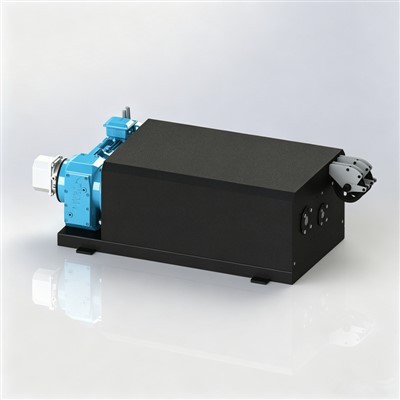
If you’re dealing with gear that’s already got moisture damage, don’t panic—most of the time it’s fixable. Small rust spots on chains can be sanded down with fine steel wool, then coated with that dry film lubricant I mentioned earlier. For moisture in motor housings, unplug the power, take the cover off, let it air out for 24 hours (don’t use a hair dryer—too much heat can damage the internal parts), then check for any water in the wiring. If it’s in the wiring, you might need to replace a small part, but it’s usually not a full motor replacement. The key is catching it early—don’t wait until it seizes up mid-show to do anything.
Stage Curtains At the end of the day, protecting stage mechanical gear from moisture is all about being proactive, not reactive. A little time spent checking, sealing, and adjusting your environment saves you from missed shows, expensive repairs, and way too much stress. If you’re in the market for new gear, or you need help setting up a maintenance plan for your existing stage mechanical equipment, I’m here to help. We’ve worked with venues, touring acts, and regional theatres to set up tailored solutions that fit their space and needs, no one-size-fits-all garbage. Feel free to reach out and chat about what you’re dealing with—I’m happy to walk through what would work best for your team.
References
- Stage Lighting and Sound Association (UK). "Preventive Maintenance for Stage Mechanical Equipment." Technical Bulletin, 2021.
- Occupational Safety and Health Administration (OSHA). "Workplace Environment Control for Industrial and Mechanical Equipment." 2022.
- American Theatre Wing. "Venue Maintenance Best Practices for Live Performance Spaces." 2020.
- International Society of Automation (ISA). "Environmental Protection for Industrial Control Panels." Practice Standard, 2019.
JIANGSU HONGBO STAGE EQUIPMENT SCIENCE AND TECHNOLOGY CO., LTD.
As one of the most professional stage mechanical equipment manufacturers and suppliers in China, we’re featured by quality products and good price. Please rest assured to wholesale bulk advanced stage mechanical equipment for sale here and get quotation from our factory. Customized orders are welcome.
Address: Dasi Industrial Park, Gaogang District, Taizhou City, Jiangsu Province
E-mail: hongbowutai@gmail.com
WebSite: https://www.hbstageequipment.com/
