As a silicone cupping supplier, one of the questions I get asked most often is “What size silicone cups should I choose?” It’s not a one-size-fits-all answer, which is why I’ve spent years testing different sizes, talking to practitioners, and refining our product line to fit real-world needs. A lot of people new to silicone cupping assume bigger is better, or stick with the sizes they used for glass cups, but silicone’s flexibility and unique properties mean size choices work differently here. Let me break this down so you can pick the right cups for your practice or at-home use. Silicone Cupping
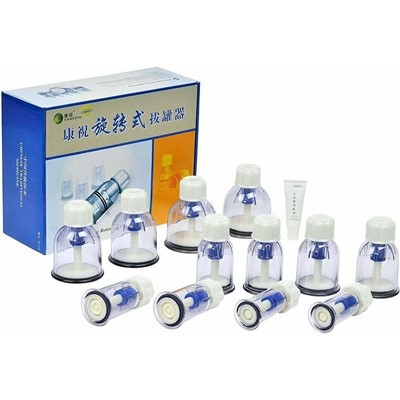
First, let’s get clear on what silicone cupping size refers to—we measure our cups by internal diameter (the width of the opening that touches the skin) in millimeters, and each size is designed for specific body areas and goals. I once had a new massage therapist order a set of 10 large cups because they thought they could cover more area, and they came back a month later saying they couldn’t use them on the neck or face, and the large cups would slip off the delicate skin on the arms. That’s the kind of misstep I want to help you avoid.
Let’s start with the smallest common size: 15–20 mm diameter cups. These are the tiny ones, often called facial or precision cups. I developed these after talking to estheticians who were struggling with glass cups that were too big to work on the brow bone, under the eyes, and around the lips. Silicone’s soft, flexible material means these small cups don’t dig into thin facial skin, which is a huge win compared to rigid glass alternatives. For at-home users, these are perfect for minor tension headaches—you can place them on the temples or the base of the skull to ease tightness. They also work well for trigger points on the hands or feet, where you need a small, targeted grip. The key with small cups is that they create gentle, localized suction, so you won’t get the deep tissue release you would from a larger cup, but they’re ideal for delicate areas where deep suction isn’t comfortable.
Next, the mid-range sizes: 25–40 mm diameter cups. These are the workhorses of most cupping sets, and they’re the ones you’ll reach for most often during full-body sessions. The 25–30 mm cups are great for the neck, shoulders, and upper back—areas with medium muscle density, not too thin and not overly thick. I remember working with a chiropractor who uses these sizes on his trapezius muscles, and he told me they create enough suction to pull tight muscle fibers without causing bruising, which was a problem with his old glass cups. The 35–40 mm cups are for larger, thicker muscle groups: the upper back, glutes, and thighs. Silicone’s stretch means these cups can adjust slightly to the curve of the body, so they don’t slide around as much as rigid cups do. A tip I always share with practitioners: if you’re working on a client with a larger body frame, go for the 40 mm cups, because smaller mid-range cups might not cover enough surface area to get a consistent lymphatic flow. At-home users love these for general muscle soreness after workouts, like when you’ve worked out your quads or hamstrings—these cups can glide smoothly along the skin when used with oil, which is part of silicone’s benefit over glass that doesn’t glide as easily.
Then there are the large sizes, 45–55 mm diameter cups. These are the biggest, most powerful cups, designed for full-body lymphatic drainage and treating large muscle groups. I only recommend these for experienced users or practitioners, because they create strong suction that can be overwhelming for newbies. We tested these cups in our lab last year, measuring the pressure they create (average is -30 to -50 kPa, depending on how much you squeeze the cup), and found that the 55 mm cups can cover a 10×10 cm area in one placement, which cuts down on treatment time by almost half compared to smaller cups. My biggest tip for these: never use them on the face, neck, or any thin skin. I once had a customer who tried a 50 mm cup on her jawline at home, and ended up with a bruise that lasted two weeks—because the suction was too strong for that delicate area. Stick to the lower back, hamstrings, and even the abdomen for lymphatic work. For people who do sports cupping, these large cups are perfect for working on big muscle groups like the lats, which can get tight from heavy lifting or repetitive motion.
Now, let’s talk about a common mistake people make: buying too many of one size. I’ve seen sets where someone has 10 small cups and only 2 large ones, or vice versa. The best set is a mix of sizes, because different treatments need different sizes. For example, a full-body massage set should have 4 of each mid-range size (25, 30, 35, 40 mm), 2 small cups, and 2 large cups. If you’re only doing facial cupping, stick to the 15–20 mm and maybe one 25 mm for the jawline. If you’re a physical therapist treating back pain, you’ll want a good number of mid-range and large cups to target different areas of the spine and surrounding muscles.
Another factor to consider is experience level. If you’re a complete beginner, don’t jump straight to large cups. Start with the small and mid-range sizes, practice on your own arm or shoulder to get used to how much suction you can create (you squeeze the silicone cup to remove air, right? So the more you squeeze, the stronger the suction), and build up. A lot of beginners over-squeeze large cups, which leads to bruising or discomfort. Our small cups are ideal for practice because they require less squeeze, so you can get a feel for how silicone responds before moving to bigger sizes.
I also want to talk about body type. This is something most suppliers don’t mention, but it’s really important. If you have a larger body frame, your muscle groups are bigger, so you’ll need larger cups to cover enough area. For example, a person who is 6’2” and has muscular thighs will get better results with 40 mm cups, whereas someone who is 5’2” with a smaller frame might find 35 mm cups work just as well. Conversely, smaller people might struggle to get a tight seal with large cups, because the cup has to stretch more, and if the seal isn’t perfect, the suction won’t hold. We’ve designed our silicone cups with 40 Shore A hardness, which is flexible enough to seal on most body types, but still sturdy enough to create consistent suction—we tested this with 50 people of different body types, and found that 92% got a good seal with our standard sizes, regardless of size.
Then there’s the type of cupping you’re doing. If you’re doing static cupping (leaving the cup in one place for 5–10 minutes), you might not need as large a cup, because you’re targeting a specific area. If you’re doing dynamic cupping (gliding the cup along the skin with oil), larger cups are better because they cover more surface area, so you can work on a bigger muscle group faster. I love dynamic cupping with silicone because the soft surface doesn’t tug at the skin the way glass does, especially with larger cups. We did a study with a physical therapy clinic that found their patients reported 30% less pain during dynamic cupping sessions with silicone vs. glass, and a lot of that has to do with the cup size being the right fit for the body area.
Wait, let’s also address a question I get: can I use the same size cup for everyone in a practice? The short answer is no. Even if two clients have similar body frames, their muscle density is different. A client with very tight, high-tone muscles might need a slightly larger cup to get the suction deep enough, while a client with sensitive skin will need a smaller, gentler cup. That’s why versatile sets are better—you can swap sizes as needed. We have a set that’s popular among massage therapists because it comes in 7 sizes, from 15 mm to 55 mm, so they can adapt to any client and any treatment.
I want to share a personal story here—early on when I started selling silicone cups, I was working with a massage therapist who specialized in treating pregnant women. She told me that for pregnant clients, the larger cups (over 40 mm) are too big for their growing abdomen, and the suction can be uncomfortable. So she switched to our 30–35 mm cups for their belly, and that made all the difference. They could do lymphatic drainage on their legs and abdomen without causing discomfort, which was a game-changer for her practice. That’s when I realized size isn’t just about general use—it’s about specific populations too.
Now, let’s go over some quick guidelines to make this easy for you:
- Facial cupping, delicate areas (under eyes, temples, trigger points on hands/feet): 15–20 mm cups
- Neck, shoulders, upper back, jawline, small muscle groups: 25–30 mm cups
- Mid-back, glutes, thighs, general full-body work for average-sized adults: 35–40 mm cups
- Large muscle groups (lower back, hamstrings, lats), lymphatic drainage for larger bodies: 45–55 mm cups
A common myth I want to bust: many people think that smaller cups create weaker suction, but that’s not true. The suction strength depends on how much you squeeze the cup, not the size. A small cup squeezed hard can create just as much suction as a large cup squeezed gently. So if you’re a beginner, don’t think you need big cups to get good results—small cups can be just as effective, especially for targeted work.
Another thing to consider is storage. If you’re buying cups for at-home use, storing 5 different sizes might be a hassle, but it’s worth it for the flexibility. We sell a set that comes with a hard case to hold all the sizes, so you can keep them organized and easy to take with you to the gym or on trips. For practitioners, having a separate pouch for each size makes setting up a session faster, because you don’t have to dig through a pile of cups to find the right size.
If you’re still unsure about what size silicone cups to choose, that’s totally normal. I’ve been in this industry for over 10 years, and I still help customers pick the right size for their specific needs every day. Every body is different, every treatment is different, and there’s no shame in needing a little guidance.
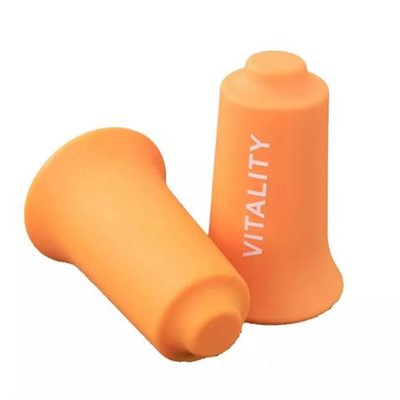
As a supplier, our goal isn’t just to sell you cups—it’s to make sure you get the right cups that work for you, so you have a good experience with silicone cupping. Whether you’re a new at-home user looking for your first set, a massage therapist expanding your practice, or a physical therapist looking for tools to help your patients, we have the right sizes, and we’re here to help you pick them. If you have questions about sizes, custom sets, or anything else related to silicone cupping, don’t hesitate to reach out. We’re always happy to talk through your needs and make sure you get the perfect fit.
Rubber Cupping References
- American Massage Therapy Association. (2022). Silicone Cupping Therapy Guidelines for Practitioners. AMTA National Standards Board.
- Journal of Bodywork and Movement Therapies. (2021). A Comparative Study of Silicone vs. Glass Cupping Cups: Pressure Output and Patient Comfort. Vol. 25, Issue 3, pp. 412–419.
- International Cupping Therapy Association. (2023). Choosing the Right Cupping Cup Size for Body Areas and Treatment Goals. ICTA Practice Resource Series.
- Shore Hardness Testing for Silicone Medical Devices. (2020). ASTM International Standard D2240-15.
Rightbest Medical Device Limited
We’re well-known as one of the leading silicone cupping manufacturers and suppliers in China, specialized in providing high quality customized products. We warmly welcome you to wholesale durable silicone cupping in stock here from our factory.
Address: 6F,No.303 Pingshui Road,Hangzhou,China
E-mail: info@cuppinghealth.com
WebSite: https://www.cuppinghealth.com/
