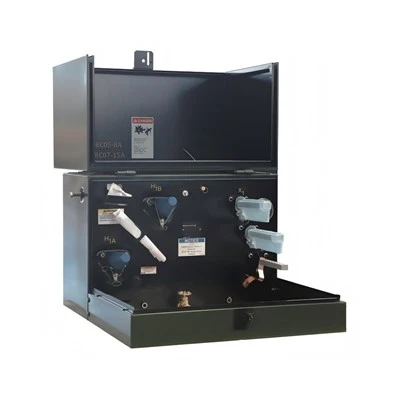
As a provider of oil-immersed transformers, I’ve witnessed firsthand the pivotal role that tap-changers play in these sophisticated electrical systems. A tap-changer is an essential component within an oil-immersed transformer, facilitating voltage regulation by altering the turns ratio of the transformer windings. This adjustment ensures that the output voltage remains stable, regardless of fluctuations in the input voltage or changes in the load. Given its significance, it’s crucial to understand the requirements for tap-changers in oil-immersed transformers to ensure optimal performance and reliability. Oil Immersed Transformer
Electrical Performance Requirements
One of the primary requirements for tap-changers in oil-immersed transformers is their ability to handle electrical stress and maintain stable electrical performance. This involves several key aspects:
Voltage Regulation Accuracy
The tap-changer must be able to adjust the output voltage of the transformer with high precision. In most applications, a voltage regulation accuracy of ±0.5% to ±1% is required to ensure that the electrical equipment connected to the transformer receives a stable voltage supply. This is crucial for the proper operation of sensitive electronic devices and machinery.
For example, in a power distribution network, a small deviation in voltage can cause flicker in lighting systems, affect the performance of motors, and even lead to the premature failure of electrical equipment. Therefore, the tap-changer needs to be designed and calibrated to provide accurate voltage regulation within the specified tolerance limits.
Current-Carrying Capacity
The tap-changer must be capable of carrying the full-load current of the transformer without overheating or experiencing excessive voltage drop. This requires the use of high-quality conductors and contacts that can withstand the thermal and electrical stresses associated with continuous current flow.
In addition, the tap-changer should be able to handle inrush currents, which are transient currents that occur when the transformer is energized or when there is a sudden change in the load. Inrush currents can be several times higher than the normal full-load current, so the tap-changer must be designed to withstand these temporary surges without damage.
Dielectric Strength
Since the tap-changer is immersed in insulating oil within the transformer, it must have sufficient dielectric strength to prevent electrical breakdown. This means that the insulation materials used in the tap-changer, such as paper, pressboard, and insulating oil, must have high dielectric constants and low dielectric losses.
Regular testing and maintenance of the insulation system are also essential to ensure its integrity over time. This includes measuring the insulation resistance, dielectric dissipation factor, and partial discharge levels to detect any signs of insulation degradation.
Mechanical Performance Requirements
In addition to electrical performance, tap-changers in oil-immersed transformers must also meet certain mechanical performance requirements to ensure reliable operation:
Mechanical Durability
The tap-changer is subject to mechanical stresses during normal operation, such as vibration, shock, and thermal expansion. Therefore, it must be designed to withstand these stresses and have sufficient mechanical durability to ensure a long service life.
This requires the use of high-quality materials and robust construction techniques. For example, the moving parts of the tap-changer should be made of wear-resistant materials, and the joints and connections should be securely fastened to prevent loosening or misalignment.
Smooth and Precise Operation
The tap-changer must be able to operate smoothly and precisely, without any significant friction or jamming. This is important for ensuring accurate voltage regulation and preventing damage to the tap-changer and other components of the transformer.
To achieve smooth operation, the tap-changer should be equipped with proper guiding and lubrication systems. The control mechanism should also be designed to provide precise control over the tap-changing process, allowing for accurate adjustment of the turns ratio.
Quick and Reliable Switching
In some applications, the tap-changer may need to perform quick and reliable switching operations to respond to sudden changes in the system voltage or load. This requires the tap-changer to have a fast switching speed and a high degree of reliability.
The switching mechanism of the tap-changer should be designed to minimize the arcing time during the switching process, which can cause damage to the contacts and increase the risk of electrical faults. Additionally, the tap-changer should be able to operate reliably under various environmental conditions, such as high temperatures, humidity, and dust.
Environmental and Safety Requirements
Tap-changers in oil-immersed transformers are often exposed to harsh environmental conditions and must meet certain environmental and safety requirements:
Resistance to Chemicals and Corrosion
The insulating oil used in the transformer contains various chemicals and additives, and the tap-changer must be resistant to these chemicals to prevent corrosion and degradation. This requires the use of corrosion-resistant materials for the construction of the tap-changer, such as stainless steel, copper-nickel alloys, and coated metals.
In addition, the tap-changer should be designed to prevent the ingress of moisture and other contaminants, which can also cause corrosion and affect the performance of the insulation system.
Fire and Explosion Protection
Since the tap-changer is located within the oil-filled transformer tank, it must be designed to prevent the occurrence of fire and explosion. This involves the use of fire-resistant materials and the implementation of proper ventilation and cooling systems.
In addition, the tap-changer should be equipped with overcurrent and overvoltage protection devices to prevent electrical faults that could lead to fire or explosion. These protection devices should be regularly tested and maintained to ensure their reliability.
Compliance with Standards and Regulations
The tap-changer must comply with various national and international standards and regulations, such as IEC 60214, IEEE C57.15, and GB 1094. The standards specify the requirements for the design, manufacture, testing, and operation of tap-changers, ensuring their safety and performance.
Compliance with these standards is not only a legal requirement but also a guarantee of the quality and reliability of the tap-changer. Therefore, it’s important to choose a tap-changer that has been certified by a recognized testing laboratory.
Maintenance and Monitoring Requirements
To ensure the long-term performance and reliability of the tap-changer, regular maintenance and monitoring are essential:
Regular Inspections
Regular visual inspections of the tap-changer should be carried out to check for any signs of damage, wear, or contamination. This includes inspecting the contacts, insulation materials, and mechanical components for any signs of overheating, arcing, or corrosion.
In addition, the oil level and quality should be checked regularly to ensure that the tap-changer is properly lubricated and insulated. Any abnormal conditions should be addressed promptly to prevent further damage.
Testing and Calibration
Periodic testing and calibration of the tap-changer are necessary to ensure its electrical and mechanical performance. This includes measuring the contact resistance, insulation resistance, and voltage regulation accuracy to verify that the tap-changer is operating within the specified limits.
The tap-changer should also be tested under different load conditions to ensure its ability to handle various operating scenarios. Any deviations from the specified performance parameters should be corrected through adjustment or replacement of the relevant components.
Monitoring Systems
The installation of monitoring systems can provide real-time information about the operating status of the tap-changer. This includes monitoring the temperature, vibration, and electrical parameters of the tap-changer to detect any potential issues before they develop into major problems.
Remote monitoring systems can also be used to allow for continuous monitoring and early detection of faults, reducing the need for frequent on-site inspections and maintenance.

In conclusion, the requirements for tap-changers in oil-immersed transformers are multifaceted, encompassing electrical, mechanical, environmental, and safety aspects. As an oil-immersed transformer provider, we understand the importance of selecting high-quality tap-changers that meet these requirements to ensure the reliable and efficient operation of our transformers.
Oil Immersed Transformer If you are in the market for oil-immersed transformers or need more information about tap-changers, I encourage you to reach out to us for a consultation. Our team of experts is ready to assist you in finding the best solutions for your specific needs. We are committed to providing high-quality products and services to meet your expectations and contribute to the success of your projects.
References
- IEC 60214-1:2017, On – load tap – changers
- IEEE C57.15-2015, Standard for Liquid – Immersed Power Transformers With On – Load Tap – Changers
- GB 1094.11-2007, Power transformers – Part 11: On – load tap – changers
Ruibian (Jiangsu) Electric Power Co., Ltd.
Ruibian (Jiangsu) Electric Power Co., Ltd. is one of the most professional oil immersed transformer manufacturers and suppliers in China, featured by quality products and good price. Please rest assured to buy durable oil immersed transformer in stock here from our factory. Contact us for pricelist.
Address: No.89 Changjiang West Road, Haian City, Jiangsu Province, China
E-mail: business@ruibianjiangsu.cn
WebSite: https://www.ruibianpower.com/
