Hey there! As a supplier of piston kits, I’ve seen firsthand how crucial it is to optimize their performance. Whether you’re an automotive enthusiast or a professional mechanic, getting the most out of a piston kit can make a world of difference in your engine’s efficiency and power output. So, let’s dive into some tips on how to optimize the performance of a piston kit. Piston Kit
Understanding Your Piston Kit
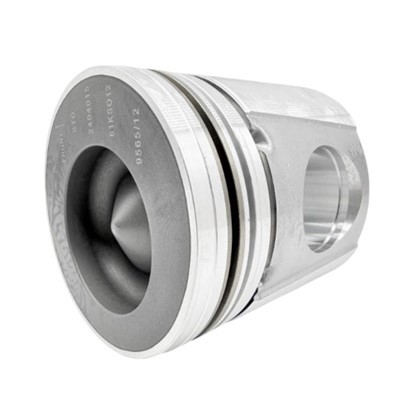
First things first, you gotta understand what you’re working with. A piston kit typically includes pistons, piston rings, wrist pins, and sometimes other components. Each part plays a vital role in the engine’s operation.
Pistons are like the heart of the engine. They move up and down inside the cylinders, creating the compression and power strokes. The material of the pistons matters a lot. For high – performance applications, forged pistons are often a great choice. They’re stronger and can handle higher temperatures and pressures compared to cast pistons.
Piston rings are responsible for sealing the combustion chamber. They prevent the leakage of gases and also help in transferring heat from the pistons to the cylinder walls. There are different types of piston rings, including compression rings and oil control rings. You need to make sure the rings are properly sized and installed for optimal performance.
Wrist pins connect the pistons to the connecting rods. They need to be strong and have a proper fit. A loose or worn – out wrist pin can lead to rattling noises and decreased engine performance.
Proper Installation
Installation is key when it comes to optimizing the performance of a piston kit. Here are some steps to follow:
Cleaning
Before you start the installation, make sure all the parts, including the cylinders, pistons, and rings, are clean. Any dirt or debris can cause scratches on the cylinder walls or prevent the rings from sealing properly. Use a good quality engine cleaner and a clean cloth to wipe everything down.
Ring Installation
Installing piston rings correctly is crucial. You need to follow the manufacturer’s instructions carefully. Usually, the top compression ring goes on first, followed by the second compression ring, and then the oil control ring. Make sure the ring gaps are properly aligned. The gaps should be placed at different positions around the piston to prevent gas leakage.
Piston Installation
When installing the pistons, use a piston ring compressor. This tool compresses the rings so that the piston can fit into the cylinder. Apply a thin layer of engine oil on the cylinder walls and the piston rings before insertion. Make sure the pistons are installed in the correct direction, as indicated by the marks on the pistons.
Torque Specifications
Don’t forget about the torque specifications. When tightening the bolts that hold the connecting rods to the crankshaft, use a torque wrench. Over – tightening or under – tightening can cause problems. Follow the recommended torque values provided by the manufacturer.
Choosing the Right Lubrication
Lubrication is essential for the smooth operation of a piston kit. The right lubricant can reduce friction, prevent wear, and dissipate heat.
Engine Oil
Use high – quality engine oil that meets the specifications of your engine. Different engines have different requirements for viscosity and additives. For high – performance engines, you might want to consider synthetic oils. They offer better protection at high temperatures and can withstand the stresses of high – speed operation.
Assembly Lube
During the installation process, use assembly lube on the pistons, rings, and wrist pins. Assembly lube helps to prevent metal – to – metal contact during the initial start – up of the engine. It provides a thin film of lubrication that can protect the parts until the engine oil starts circulating.
Tuning and Maintenance
Once the piston kit is installed, tuning and maintenance are important for long – term performance optimization.
Engine Tuning
Proper engine tuning can improve the performance of the piston kit. This includes adjusting the ignition timing, fuel injection, and air – fuel ratio. You can use a engine management system or a dyno tune to optimize these parameters. A well – tuned engine will run more efficiently, produce more power, and have better fuel economy.
Regular Maintenance
Regular maintenance is crucial to keep the piston kit in top shape. Change the engine oil and oil filter at the recommended intervals. Check the spark plugs regularly and replace them if they’re worn out. Inspect the piston rings and cylinders for signs of wear or damage. If you notice any problems, address them immediately to prevent further damage.
Matching the Piston Kit to Your Engine
Not all piston kits are created equal, and it’s important to choose the right one for your engine. Consider the following factors:
Engine Displacement
The size of the piston kit should be compatible with your engine’s displacement. If you increase the piston size too much, it can put additional stress on the engine components and may require other modifications.
Performance Goals
Are you looking for more power, better fuel economy, or a balance of both? Different piston kits are designed to meet different performance goals. For example, if you’re building a high – performance racing engine, you’ll need a piston kit that can handle high – RPM operation and high – compression ratios.
Application
The type of vehicle or equipment you’re using the engine in also matters. A piston kit for a street car will have different requirements compared to a piston kit for a motorcycle or a marine engine.
Handling Wear and Tear
Over time, piston kits will experience wear and tear. Here are some ways to handle it:
Inspect Regularly
Regular inspections can help you catch wear and tear early. Look for signs such as piston scuffing, ring wear, or cylinder scoring. If you notice any of these issues, you may need to replace the affected parts.
Replace Worn Parts
When parts start to wear out, don’t be afraid to replace them. Using worn – out parts can lead to decreased performance, increased fuel consumption, and even engine failure. Replace the pistons, rings, or wrist pins as needed to keep the engine running smoothly.
Upgrade When Necessary
If you find that your current piston kit isn’t meeting your performance needs, consider upgrading. There are many aftermarket piston kits available that offer better performance and durability.
Conclusion
Optimizing the performance of a piston kit involves a combination of proper understanding, installation, lubrication, tuning, and maintenance. By following these tips, you can get the most out of your piston kit and ensure that your engine runs at its best.
SDEC Piston If you’re in the market for a high – quality piston kit or have any questions about optimizing your engine’s performance, I’d love to hear from you. Reach out to me, and we can have a chat about your specific needs and how our piston kits can help you achieve your goals.
References
- Smith, J. "Automotive Engine Performance Handbook." 2018.
- Johnson, A. "Piston and Ring Technology." 2020.
- Brown, R. "Optimizing Engine Efficiency." 2019.
Hebei Yuwei Piston Co., Ltd.
As one of the most professional piston kit manufacturers and suppliers in China, we’re featured by quality products and good service. Please rest assured to buy customized piston kit made in China here from our factory. Also, quotation is available.
Address: Beizhujiacun Village, Sujiuzhuang Town, Ningjin County, Xingtai City, Hebei Province
E-mail: jack@ywpiston.com
WebSite: https://www.ywpiston.com/
