Transporting a 2 Phase Decanter Centrifuge is a complex process that requires careful planning and execution. As a supplier of 2 Phase Decanter Centrifuges, I have witnessed firsthand the challenges and considerations involved in moving these large and delicate pieces of equipment. In this blog post, I will share my insights and experiences on how to transport a 2 Phase Decanter Centrifuge safely and efficiently. 2 Phase Decanter Centrifuge
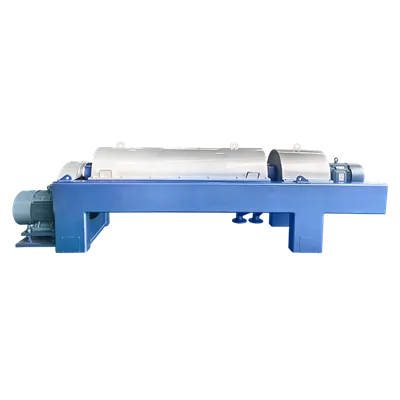
Pre – Transport Preparation
Inspection and Maintenance
Before transporting the centrifuge, it is crucial to conduct a thorough inspection and maintenance. Check for any signs of damage, loose parts, or wear and tear. Ensure that all components are in good working condition. This includes inspecting the motor, the bowl, the conveyor, and the control system. Replace any worn – out parts and perform necessary adjustments. A well – maintained centrifuge is less likely to be damaged during transportation.
Disassembly
In most cases, it is necessary to disassemble the 2 Phase Decanter Centrifuge into smaller components for easier transportation. This involves removing the bowl, the conveyor, the motor, and other accessories. Make sure to label all parts clearly to ensure easy reassembly at the destination. Take detailed notes and photographs during the disassembly process to serve as a reference.
Packaging
Proper packaging is essential to protect the centrifuge components during transit. Use high – quality packaging materials such as wooden crates, foam padding, and plastic wraps. The crates should be strong enough to withstand the rigors of transportation. Place the components in the crates and secure them with straps or bolts to prevent movement. For delicate parts, additional padding may be required to absorb shocks and vibrations.
Choosing the Right Transport Method
Road Transport
Road transport is a common option for transporting 2 Phase Decanter Centrifuges, especially for short – to medium – distance shipments. It offers flexibility in terms of pick – up and delivery locations. However, it is important to choose a reliable trucking company with experience in transporting heavy and oversized equipment. The truck should be equipped with proper suspension and tie – down points to ensure the safety of the centrifuge during transit.
Rail Transport
Rail transport can be a cost – effective option for long – distance shipments. It is generally more stable than road transport and can handle larger and heavier loads. However, rail transport may require additional handling at the loading and unloading points. Coordinate with the rail carrier to ensure that the centrifuge components are properly loaded and secured on the railcars.
Sea Transport
For international shipments, sea transport is often the preferred option. It can handle large volumes of goods and is suitable for long – distance transportation. When shipping by sea, the centrifuge components should be loaded into shipping containers. Ensure that the containers are properly sealed and secured to prevent damage from water, moisture, and rough seas.
Loading and Unloading
Loading
During the loading process, use appropriate lifting equipment such as cranes or forklifts. Make sure that the lifting points on the centrifuge components are correctly identified and used. Lift the components carefully and place them in the transport vehicle or container. Secure the components to prevent movement during transit.
Unloading
At the destination, follow the same safety procedures for unloading. Use the same lifting equipment to remove the centrifuge components from the transport vehicle or container. Place the components in a safe location for reassembly.
Reassembly and Commissioning
Reassembly
Once the centrifuge components have been transported and unloaded, it is time to reassemble the equipment. Refer to the notes and photographs taken during the disassembly process. Follow the manufacturer’s instructions carefully to ensure that all components are correctly installed. Tighten all bolts and connections to the specified torque.
Commissioning
After reassembly, the centrifuge needs to be commissioned. This involves testing the equipment to ensure that it is working properly. Check the electrical connections, the motor operation, and the overall performance of the centrifuge. Make any necessary adjustments to ensure optimal operation.
Safety Considerations
Risk Assessment
Before transporting the centrifuge, conduct a risk assessment to identify potential hazards. These may include physical damage to the equipment, injury to personnel, and environmental risks. Develop a risk mitigation plan to address these hazards.
Personnel Training
Ensure that all personnel involved in the transportation, loading, unloading, and reassembly of the centrifuge are properly trained. They should be familiar with the safety procedures and the specific requirements of handling the centrifuge.
Insurance
It is advisable to obtain insurance coverage for the centrifuge during transportation. This will provide financial protection in case of damage or loss.
Conclusion
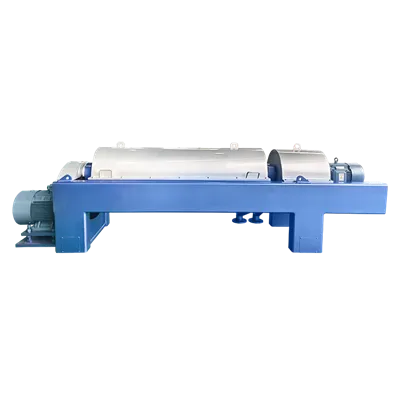
Transporting a 2 Phase Decanter Centrifuge is a challenging but manageable task. By following the steps outlined in this blog post, you can ensure that your centrifuge is transported safely and efficiently. As a supplier, we are committed to providing our customers with high – quality 2 Phase Decanter Centrifuges and comprehensive support throughout the transportation process.
2 Phase Decanter Centrifuge If you are interested in purchasing a 2 Phase Decanter Centrifuge or have any questions about transportation, please feel free to contact us. We are here to assist you with all your centrifuge needs.
References
- "Centrifuge Handbook" by John Doe
- "Transportation of Heavy Equipment" by Jane Smith
- Manufacturer’s manuals and guidelines for 2 Phase Decanter Centrifuges
Lishui Yuanrong Environmental Protection Equipment Co., Ltd.
As one of the most professional 2 phase decanter centrifuge manufacturers and suppliers in China, we have world-leading production equipment and strong manufacturing capabilities. Please feel free to buy customized 2 phase decanter centrifuge from our factory. Also, quotation is available.
Address: Lot 6-1, Block 15, Wanyang Zongchuang City, Lishui, Zhejiang, China
E-mail: 361184920@qq.com
WebSite: https://www.yrhdc.com/
