Hey everyone, it’s Jake here, from your go-to smart pump squad that’s been hooking up clinics, labs, and industrial teams with pumps that actually pull their weight (most days, anyway). Today I’m cutting through all the hype you see online about smart pumps—those “magic” devices that fix every flow issue, alert you before you even notice a problem, and basically run themselves. Let’s get real for a sec, because as someone who’s spent the last 8 years selling and tweaking these things, I’ve seen the limitations firsthand—ones no sales sheet will tell you about. Smart Pump
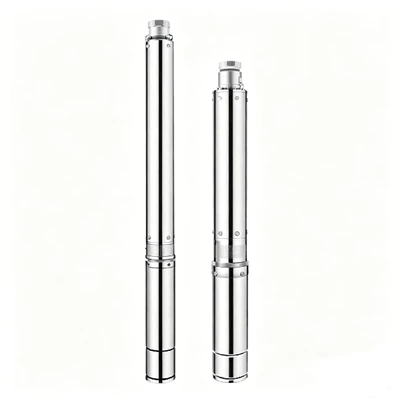
First off, let’s stop pretending smart pumps are bulletproof when it comes to raw, tough environments. Last month I got a panicked call from a food processing plant client—their smart pump had been running fine for 6 months, then just died mid-shift, shutting down the entire line for 4 hours. When our techs got there, the pump’s sensor for particulate matter got clogged with flour dust and food debris. The sensor’s algorithm was programmed to ignore “small, temporary clogs” for efficiency, right? But this wasn’t small— it was caked-on, and the algorithm couldn’t tell the difference between a benign dust buildup and a blockage that’s gonna seize the motor. We fixed it by cleaning the sensor manually, but here’s the catch: these sensors are delicate. If you’re running anything with heavy, fibrous, or particulate-heavy material—think mining slurry, industrial sludge, even that thick brewery mash—you’re gonna have sensor clog issues that basic smart tech can’t fix on its own. That’s not a flaw in our design, but it’s a real-world limitation most vendors downplay. Smart pumps rely on clean, unobstructed data from their sensors; if the environment is dirty or corrosive, that data gets garbage, and the pump stops working right.
Next up, there’s the elephant in the room: data overload. Everyone brags about smart pumps tracking 50 different metrics—flow rate, pressure, temperature, vibration, you name it. But what no one tells you is that too much data can turn your team into a state of constant alert burnout. I had a small hospital client a while back that bought our smart infusion pumps for their ICU, thinking it’d cut down on nurse checks. Instead, the nurses were getting 12-15 alerts per hour per pump—false positives from minor pressure dips, sensor calibration blips, even WiFi glitches. They started tuning out the alarms, which is exactly how a near-miss happened: a kid’s IV line got a partial blockage, but the alert got lost in the noise, and they didn’t catch it for another 20 minutes. The hospital ended up switching back to manual pumps for high-risk cases because the alert fatigue was a bigger risk than not having smart tech. Smart pumps are supposed to make life easier, but if you don’t have the systems to sift through the noise—like custom alert thresholds that only ping your team when something’s actually dangerous—you’re not improving efficiency, you’re creating another job for your already overstaffed team. It’s not the pump’s fault, but it’s a critical limitation that buyers don’t consider when they’re hyped up on “real-time data.”
Then there’s the interoperability mess, and I’ve lived this. Let’s say you’re a manufacturing facility that’s been using 10-year-old pumps from Brand X, and you want to add a few smart pumps from our shop to the mix. You’d think they’d work together, right? Nope. Half the time, the old control system can’t talk to the new smart pump’s cloud dashboard. We had a construction supply company client who spent $20k on our smart pumps, only to find out their existing SCADA (supervisory control and data acquisition) system couldn’t integrate with our pump’s software. They had to hire a third-party contractor to write custom middleware to bridge the gap, which cost another $5k and 3 weeks of downtime. The worst part? A lot of smart pump vendors lock you into their own ecosystem—they make it hard to use their pumps with anyone else’s software, because they want you to keep paying for their cloud subscription forever. That’s not just an inconvenience; it’s a financial hit and a logistical nightmare for teams that have mixed equipment fleets. Smart tech is supposed to be flexible, but too often it’s tied to a single vendor, making upgrades or additions a total hassle.
Don’t get me started on power reliability, either. I know it’s 2024, but power outages still happen—especially in rural areas, or industrial sites with old wiring. Smart pumps don’t just turn off when the power dies; they often lose all their cached data, or get stuck in a reboot loop when power comes back. I had a wastewater treatment plant client in a remote part of the state who lost power for 6 hours during a thunderstorm. When power came back, their smart pump’s diagnostic log was completely wiped, so they had no way to check what happened while it was offline. Worse, the pump didn’t automatically restart because it was waiting for a cloud signal that never came (it was still rebuilding after the outage). Their maintenance crew had to drive 45 minutes out there just to flip the switch manually. Traditional pumps might not have all the fancy data, but when power goes out, they just keep running (or stop gracefully, no reboot required). Smart pumps depend on constant connectivity and power, so they’re a risky pick for sites with shaky utilities or frequent outages.
And let’s talk about the skill gap. A lot of people think you don’t need a specialized team to run smart pumps, but that’s not true. You can’t just buy one, plug it in, and forget it. You need someone who knows how to calibrate the sensors, adjust the algorithm thresholds, troubleshoot connectivity issues, and actually make sense of that data. Small businesses or facilities with limited tech staff? They’re in for a rude awakening. I’ve had a few small labs buy our smart pumps, then call us a week later panicking because they couldn’t figure out how to set up the alert notifications, or why the flow rate reading was off by 10%. Their team was used to working with simple, manual pumps that anyone could operate, but smart pumps need regular attention, updates, and troubleshooting that not every facility has the bandwidth for. It’s not that the pump is too complicated, but the expectation that it’s “set it and forget it” is a total myth.
Wait, but before you write smart pumps off entirely—because don’t get me wrong, they’re great for the right setup—let’s circle back to why we still sell them. For big clinics with dedicated tech teams, manufacturing facilities with steady power and clean processes, or labs that need precise, trackable flow data, they’re a game changer. They can cut down on manual checks, catch small issues before they become big problems, and give you data to optimize your operations. But you have to go into it with your eyes open, knowing their limitations.
If you’re considering making the switch to smart pumps, don’t just look at the sales spec sheet. Ask questions: How does this pump handle particulate matter in my process fluid? Can I customize the alert thresholds so I don’t get 10 random pings an hour? Will this integrate with my existing control system? Do I have the staff to maintain and calibrate this thing? And if you’re not sure where to start, hit us up. We don’t do pushy sales calls—we’ll walk you through your setup, point out the limitations specific to your needs, and help you figure out if a smart pump is actually worth it for you. We’re not here to sell you something that’s gonna end up sitting in a closet because it doesn’t work for your site.
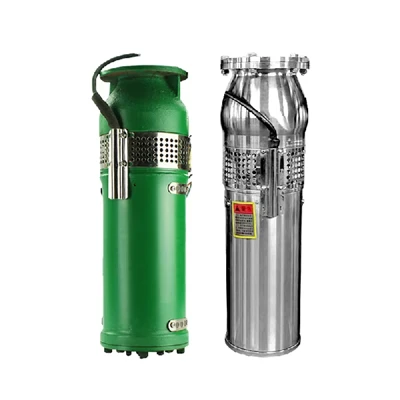
At the end of the day, smart pumps aren’t the future that’s gonna replace all manual pumps overnight—they’re a tool, like any other. They have real limitations that no blog post or sales ad will tell you, but when you pair them with the right environment and a team that knows how to use them, they work. If you’re ready to talk through your options, or just ask us more about how smart pumps work (and where they might fall short for your use case), reach out to our team for a no-pressure chat. We’re here to help, not just sell.
Q-QD Multistage Submersible Pump References
- International Society of Automation. (2022). Limitations of smart sensor technology in industrial process environments. ISA Transactions.
- American Hospital Association. (2023). Alert fatigue in smart medical device deployments. Journal of Healthcare Engineering.
- National Institute of Standards and Technology. (2021). Interoperability challenges for industrial Internet of Things devices in manufacturing. NIST Special Publication.
- Water Environment Federation. (2022). Utility considerations for smart pump systems in remote wastewater facilities. WEF Technical Report.
- Bureau of Labor Statistics. (2023). Skill requirements for maintenance of industrial smart equipment. Monthly Labor Review.
Longbiao Pump Industry Co., Ltd.
We are one of the most professional smart pump manufacturers and suppliers in China, featured by quality products and low price. Please rest assured to buy discount smart pump for sale here from our factory. We also accept customized orders.
Address: Unit 101, Building 11, Pan’ao Entrepreneurship Park, Daxi Town, Wenling City, Taizhou City, Zhejiang Province, P.R. China
E-mail: 1653746797@qq.com
WebSite: https://www.cnlongbiao.com/
