Hey there, I’m Jake—part of the team at a driving assistance device supplier that’s been in the game for a little over 8 years now, and I get more questions than I can count from folks (truck drivers, delivery companies, regular commuters) asking one specific thing: “Can these fancy devices work when the weather’s total garbage?” Like, I don’t blame them—last winter my company’s truck slid on an ice patch and totaled a load of holiday orders, so I get why weather is non-negotiable here. Most people’s first thought is, “Oh, it’s tech—just works, right?” Nope. Tech’s great, but weather is the ultimate wet blanket, and we’ve spent years debugging our stuff to survive as much of it as possible. Let’s break this down straight, no corporate jargon. Driving Assistance Device
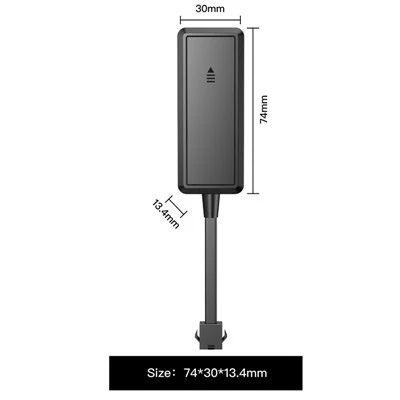
First, let’s talk about what “driving assistance devices” even means here—we’re not talking full self-driving cars (that’s a whole other mess), we’re talking ADAS stuff: adaptive cruise control, lane keep assist, forward collision warning, blind spot monitors, and our specialty—LiDAR-powered environmental scanners. A lot of people mix up LiDAR with cameras, and that’s where the confusion starts. Cameras are cheap, work great on sunny days, but hold ‘em up to heavy rain, snow, fog, or even bright glare off ice, and they turn into blurry garbage. Their sensors are just little lenses picking up light, so if raindrops cover the lens, or snow sticks, or fog scatters the light, the camera can’t tell if that blob ahead is a car or a sign or a random pile of leaves. Our LiDAR, though? It shoots out invisible laser pulses (like a million of ‘em a second) and measures how long they take to bounce back to map the world in 3D—way less affected by light. But wait, even LiDAR isn’t invincible. If you’re driving through a blizzard, all those snowflakes flying between the scanner and the road bounce those laser pulses back early, so the device’s computer thinks there’s a bunch of random “objects” that aren’t actually there. That’s called “point cloud clutter,” and it’s a big problem we still wrestle with.
Now, let’s go through the weather conditions one by one, real talk, not the textbook version. Take light to moderate rain first—our devices work fine here, mostly. As long as the raindrops aren’t pouring so hard they blur road lines, our LiDAR can pick up the edge of the road, other cars, even a pedestrian stepping out from between parked cars. We test these in a tank that blasts 5 inches of rain an hour (super realistic for a heavy storm) and the only time it acts up is if the windshield wipers aren’t working or the lens has a thick layer of mud splatter on it. Last month we had a delivery driver in Ohio text us at 2 a.m. saying his ACC (adaptive cruise control) was working perfectly on I-71 through a steady downpour, and that’s the kind of win we live for. Then there’s heavy downpour or thunderstorms—here’s where it gets iffy. The water depth can actually mess with the LiDAR’s laser signal, and if visibility drops below 100 feet, most standard ADAS will disable collision warnings because the computer can’t tell what’s ahead. That’s not a bug, that’s a safety feature—we’d rather the device hold back than give you a false alert that makes you ignore a real one. We’re tweaking the algorithm right now to filter out heavy rain clutter, but it’s slow going—you can’t just flip a switch for that.
Snow is the worst, period, full stop. Let’s split it into light powder, slush, and ice. Light powder snow is manageable—LiDAR can bounce off the road under the snow, as long as it’s not too deep. We tested a pickup truck with our device driving through 6 inches of fresh powder in northern Michigan last winter, and lane keep assist worked 9 out of 10 times. The only time it messed up was when we drove over a plowed area where the road was covered in ice, so the LiDAR couldn’t get a clear reflection. Slush is a whole other beast—slush splatters all over the sensors, and it’s super reflective, so it clogs up the LiDAR’s point cloud. Last year a semi driver in Minnesota called us saying his lane keep assist kept veering when he hit slush, and we realized the slush had caked on the lower portion of the LiDAR sensor, so it couldn’t pick up the road edge. We now have heated sensor covers as an add-on, which works 90% of the time for slush and light ice, but heavy, compacted ice? Still a problem. Ice is super slippery, and it doesn’t reflect laser pulses well, so our device can’t always detect lane lines that are covered in ice, which makes lane keep assist useless. We’re testing a new sensor that works with radar alongside LiDAR for icy conditions—radar doesn’t care about light or ice, it can pick up metal objects through ice—so we think that’ll fix most of this, but it’s not rolled out to all our devices yet.
Fog is another nightmare. There’s light fog, and then there’s that dense “I can’t see my own hood” fog that rolls in off the coast or over a mountain pass. Light fog is okay—LiDAR can penetrate it, because fog particles are small, so the laser pulses don’t scatter too much. But dense fog? Fog particles are so big they bounce every laser pulse back, so the LiDAR can’t tell the difference between a car 50 feet ahead and a fog particle 10 feet away. Cameras are even worse in dense fog, since they rely on visible light that’s absorbed by the fog. We’ve seen a lot of crashes happen in dense fog because ADAS devices disabled safety features, which is why we make sure our drivers get real-time alerts when the device can’t see, so they can slow down and drive extra careful. One thing we are working on is pairing our LiDAR with GPS data from nearby cars—if the car ahead of you has a working device, the system can follow its path even if your sensors can’t pick up the road. That’s still in beta testing, but it’s looking promising.
Now, what about the stuff we don’t think about—like glare from the sun or snow? Glare from the sun hitting the road, especially at sunrise or sunset, can mess with both cameras and LiDAR. Cameras get washed out, so they can’t see road lines. LiDAR’s laser pulses can get overwhelmed by bright sunlight, so the computer struggles to pick up weak reflections. We’ve added glare filters to our sensors now, which helps a lot, but if the glare is super intense (like driving directly into the sun at midday on a bright desert road), it can still be an issue. Snow glare is even worse—when the sun hits fresh snow, it’s like driving with a bright light in your eyes, and our cameras will often misread the bright area as an empty road, which makes lane keep assist veer off. Again, the heated covers help here, and the radar-LiDAR pairing is starting to fix that too.
Here’s the thing no one tells you: driving assistance devices aren’t meant to replace a human driver. They’re meant to help, especially when you’re tired, or distracted, or in a situation where you might miss something. Our devices work great in most normal weather, and they work pretty well in a lot of bad weather, but they’re not infallible. I can’t count how many times we’ve gotten emails from people saying “your device saved me when it was pouring rain and I didn’t see the car ahead braking” or “it warned me when a deer ran out into a snowstorm” and that’s why we do this. But we also get emails from people saying “it failed and I crashed” and that stings, so we spend every day making these devices better.
Right now, we’re working on a new line of sensors specifically designed for severe weather—think blizzards, dense fog, and heavy ice. We’re testing it in Alaska right now, driving for weeks in -20°F weather, blizzards that drop a foot of snow a day, and ice so thick you can barely see the road. Early tests have been promising—our new LiDAR paired with a long-range radar can pick up lane lines even under 2 inches of ice, and it can filter out almost all the snow clutter from blizzards. We’re not launching it until it’s safe, though—we won’t put something out there that might let someone down.
So, to answer the original question: Can driving assistance devices be used in all weather conditions? Not right now. But we’re getting closer. We have devices that work great in light to moderate rain, light snow, and light fog, and we’re building ones that will work in the really nasty stuff too. But here’s the bottom line, always: no tech is a replacement for paying attention. Even if your device is working perfectly, you still need to keep your eyes on the road, slow down when the weather’s bad, and be ready to take over at any time.
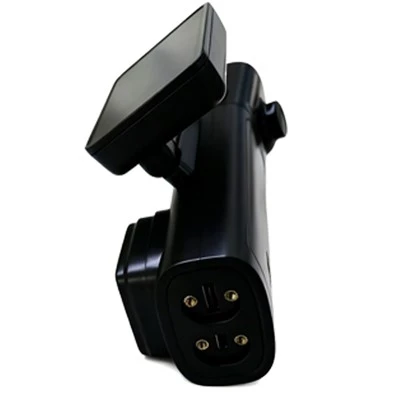
If you’re a fleet manager, a delivery company, or someone looking to upgrade your driving assistance devices to handle more weather, we’d love to chat. We’ve worked with small businesses and big-name companies, and we can help you figure out what works for your specific needs—whether that’s standard devices for daily commutes or the severe-weather setup for trucking in cold climates. Hit us up to connect, and let’s make sure your driving stays safe no matter what the sky throws at you.
Vehicle Sensor References:
- U.S. Department of Transportation, National Highway Traffic Safety Administration (NHTSA). (2022). ADAS Performance in Adverse Weather Conditions. Retrieved from agency technical report archives.
- International Organization for Standardization (ISO). (2021). Road Vehicles — Driving Assistance Systems — Environmental Performance Requirements. ISO 15008:2021.
- Wang, Y., et al. (2023). LiDAR Point Cloud Clutter Filtering for Severe Weather Driving. IEEE Transactions on Intelligent Transportation Systems.
- American Automobile Association (AAA). (2022). Adverse Weather ADAS Limitations: A Field Test Study. AAA Automotive Engineering Research.
Shenzhen Xuneng Chuangxiang Technology Co., Ltd.
Shenzhen Xuneng Chuangxiang Technology Co., Ltd. is one of the most professional driving assistance device manufacturers and suppliers in China, featured by quality products and good service. Please rest assured to buy bulk customized driving assistance device made in China here from our factory. For price consultation, contact us.
Address: Room 515, Fuxiang Building, No.1 Wenming Road, East Zone, Baishixia Community, Fuyong Subdistrict, Bao’an District, Shenzhen City
E-mail: xn.sungang@gmail.com
WebSite: https://www.szxunneng.com/
