If you’re in the market for a furnace tube—whether for an industrial heat treatment furnace, a lab-scale tube furnace, a vacuum pyrolysis unit, or a high-temperature reaction system—you’ve probably scrolled through generic industrial supply sites only to find listings that don’t account for the unique demands of your application. As a furnace tube supplier with 18 years in the business, I’ve heard every version of this question from shops, labs, and manufacturing teams across industries: “Where can I buy a furnace tube that doesn’t fail at 1,200°C, doesn’t react with my process materials, and actually fits my existing furnace?” The answer isn’t just a quick web search. It’s about matching the right type of tube to your use case, vetting suppliers for quality and customization, and avoiding common pitfalls that lead to expensive replacements or process downtime. Let’s break this down, straight from someone who’s designed, manufactured, and shipped furnace tubes to thousands of clients. Furnace Tube
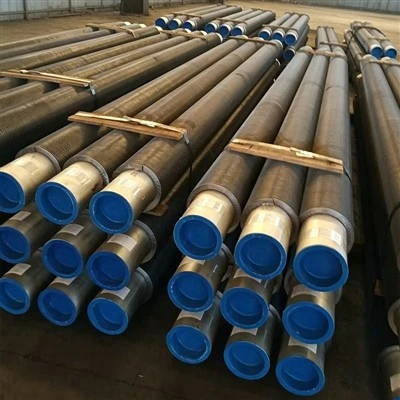
First, let’s clarify: not all furnace tubes are created equal. I once got a call from a aerospace parts manufacturer who’d bought a $1,200 tube from a big-box industrial supply site, only to have it crack after three runs of nitriding steel at 1,150°C. The issue? They picked a standard alumina tube meant for low-temperature lab work, not the high-purity, dense alumina tubes we supply for heavy industrial processes. That’s why step one in finding where to buy is narrowing down your core needs. Let’s cover the main types of furnace tubes and when to use each, because choosing the wrong base material is the single biggest mistake buyers make.
If you run a small lab or a low-volume heat treatment operation, quartz glass tubes (fused silica) are a common choice. They’re affordable, transparent (so you can monitor processes in real time), and work up to 1,100°C in air. But they have a big downside: thermal shock. If you’re quenching parts or cooling a tube quickly after a run, quartz can shatter. They also react with some metals and corrosive gases, so they’re not great for high-purity chemical processing or pyrolysis of heavy oils. Quartz tubes are easy to find at general lab supply stores, but make sure you’re buying “fused silica” (not regular glass) and confirm the maximum operating temperature and thermal shock resistance for your needs. For most low-temperature, non-corrosive lab work, these work fine—just don’t try to use a quartz tube for your industrial brazing furnace.
Next, alumina tubes (aluminum oxide) are the workhorse for most medium to high-temperature applications. We supply both 95% alumina and 99.8% alumina tubes, depending on use. 95% alumina is more affordable, dense enough for temperatures up to 1,500°C, and resistant to most non-corrosive atmospheres. It’s perfect for general heat treatment, sintering ceramics, and ambient air processes. 99.8% alumina, also called “sintered alumina” or “high-purity alumina,” is denser, has fewer impurities, and can handle up to 1,800°C. It’s non-reactive with most metals (like titanium, stainless steel, and precious metals) and works well for vacuum applications. The downside? Alumina is brittle, so it’s less forgiving of rough handling during installation or thermal cycling than some other materials. If you’re running frequent rapid heating/cooling cycles, you might want to look at a silicon carbide (SiC) tube instead.
Silicon carbide tubes are built for abuse. They’re much stronger than alumina, resist thermal shock extremely well (they can handle being dropped into cold water from 1,400°C without cracking), and work up to 1,600°C in oxidizing atmospheres. That makes them ideal for high-volume industrial processes: continuous furnaces, calcining ore, or running cycles where temperature changes are fast. The tradeoff? They’re more expensive than alumina, and they can react with some metals at very high temperatures (above 1,400°C) in reducing atmospheres. We often recommend SiC tubes for clients who’ve had repeated tube failures due to thermal shock—they’re a game-changer for high-throughput operations.
For extreme applications, like vacuum furnaces, heat treatment of reactive metals, or processes that require inert atmospheres, you might need a metal alloy furnace tubes. Common alloys include 316 stainless steel (up to 800°C), Inconel 600/601 (up to 1,100°C), and Hastelloy (up to 1,200°C, with excellent corrosion resistance). Metal tubes are ductile, so they don’t crack like ceramic tubes, and they’re often used for continuous processes where the tube is part of a long conveyor system. But they have a key limitation: they can’t reach the same high temperatures as ceramic tubes (most metals melt above 1,500°C, so continuous use tops out at 1,200°C for even the most heat-resistant alloys), and they can outgas in high-vacuum environments, which contaminates your process.
Now that you know what type of tube you need, where do you actually buy it? Let’s walk through the most common sources, from the cheapest to the most specialized, and the pros and cons of each.
First, general industrial supply marketplaces: sites like Alibaba, Grainger, McMaster-Carr, or Thomasnet have thousands of listings for furnace tubes. For small, standard-sized tubes (like 1” outer diameter 12” long quartz tubes), these are fine. They’re fast, cheap, and easy to order online. But here’s the catch: most of these suppliers offer standard sizes, not custom dimensions. If your furnace has an odd inner diameter (say, 2.375 inches, not the common 2.5 inches), or you need a tube with wall thickness of 0.25 inches instead of 0.125 inches, you won’t find it on these sites. Also, many of the suppliers here are middlemen, not manufacturers, so they can’t adjust materials or specs for your process. I’ve had clients come to me after buying a SiC tube from a major marketplace that was advertised as “1,600°C rated” but actually had impurities that made it fail at 1,300°C—middlemen often don’t test materials beyond a basic spec sheet.
Second, lab supply specialty stores: places like VWR, Fisher Scientific, or Sigma-Aldrich are great for small lab furnace tubes, especially quartz or small alumina tubes. They cater to academic and research labs, so their inventory is tailored to low-volume, precision work. But again, most of these are standard sizes, and their industrial-grade tubes are often overpriced. If you need a 6-foot long alumina tube for a production furnace, a lab supply store will charge 2-3x what a specialized industrial tube supplier will, and delivery times are often longer. Also, they don’t offer the customization you need for large-scale processes.
Third, specialized industrial furnace component suppliers: this is where most manufacturing and industrial operations should look. These are companies that design and build furnace tubes specifically for industrial use, not just general lab parts. The pros here are massive: they offer standard sizes, but also custom dimensions (cutting tubes to length, modifying ends for flanges or connections, adjusting wall thickness), they have different material grades for high-temperature or corrosive applications, and they can provide test data for material purity, maximum operating temperature, and thermal shock resistance. For example, if you need a tube for pyrolysis of plastic waste, a specialized supplier can offer a high-purity alumina tube resistant to chlorine and hydrocarbon gases, something a general marketplace supplier won’t have. The cons? Delivery times are often 1-2 weeks instead of 2-3 days, and the upfront cost is higher than a standard middleman part—but the long-term savings from fewer failures and longer tube life are huge. I’ve had a client who switched from a $300 standard alumina tube to a $800 high-purity alumina tube from us, and it lasted 4 times longer, saving them $2,000 a year in replacements and downtime.
Fourth, direct from a tube manufacturer: if you need large quantities (10+ tubes) or very specific custom parts, buying directly from a ceramic or metal tube manufacturer is your best bet. These companies produce the raw tubes (extruded alumina, sintered SiC, seamless metal tubes) and can work with you to design a tube exactly for your furnace. For example, if your furnace requires a tube with a 4-inch inner diameter and a 1-inch wall thickness, or you need a tube with a threaded end to fit your existing flanges, a manufacturer can make that for you. The downsides here: minimum order quantities (often 5 or more tubes), longer lead times (2-4 weeks, sometimes more for custom orders), and you’ll need to communicate your exact specs clearly—many manufacturers cater to large industrial clients, so small orders might be deprioritized. As a supplier, we work with both small labs and large factories, so we often help small clients source direct from manufacturers at more accessible minimums, but it’s not always an option for one-off small orders.
Now, let’s cover the mistakes that buyers make when buying furnace tubes, to help you avoid them. First, don’t just buy based on price. A $200 alumina tube from a middleman might look like a steal, but if it’s 90% alumina instead of 95%, it will crack at 1,400°C, leading to $10,000 in lost production when your furnace shuts down mid-run. Second, confirm compatibility with your process. If you’re working with corrosive gases (like HCl for metal etching), a standard alumina tube will react and degrade—you need a high-purity alumina or silicon carbide tube. If you’re running vacuum processes, metal tubes can outgas, so ceramic tubes are a better choice. Third, don’t overlook installation requirements. A tube that’s the right length but has a rough inner diameter will scratch your workpieces, or a tube with thin walls will bow under its own weight when heated. Good suppliers will ask about your furnace’s internal dimensions, how you load/unload parts, and your process to recommend the right tube.
As someone who’s built this business on solving those exact pain points, I can tell you that the right supplier isn’t just someone who sells you a tube—it’s someone who understands your application and can guide you to the right product. If you’re not sure what type of tube you need, or you have a custom requirement that you can’t find elsewhere, reach out to us. We work with labs, small manufacturers, and large industrial facilities across industries, and we’ll help you pick a furnace tube that fits your needs, not a generic one from a web search. Whether you need a 1-foot quartz tube for a small muffle furnace, a 6-foot high-purity alumina tube for a sintering line, or a custom alloy tube for a vacuum brazing process, we can provide the quality and customization you need, without the middleman markup.
Don’t let a bad furnace tube derail your operations. Take the time to understand your application, source from a supplier that specializes in furnace tubes, and you’ll save money and downtime in the long run. If you’re ready to discuss your requirements or get a quote, feel free to connect with our team for a no-obligation conversation. We’re here to help you find the right furnace tube, no matter your project size or industry.
Metallurgical Equipment References
- American Ceramic Society. (2021). High-Temperature Refractory Materials for Industrial Furnaces. Westerville, OH: American Ceramic Society.
- Metal Powder Industries Federation. (2019). Guide to Heat Treatment Furnace Components. Princeton, NJ: Metal Powder Industries Federation.
- International Organization for Standardization. (2020). ISO 22006:2020 – Refractory Products for Furnaces: Performance Testing of Ceramic Tubes. Geneva, Switzerland: International Organization for Standardization.
- Silicon Carbide Manufacturers Association. (2022). SiC Tubes for High-Temperature Industrial Processes. Cleveland, OH: Silicon Carbide Manufacturers Association.
Jiangsu Dongfang Whole-Set Equipment Manufacturing Group Co., Ltd.
We are one of the most professional furnace tube manufacturers and suppliers in China, also support customized service. With abundant experience, we warmly welcome you to buy durable furnace tube from our factory. If you have any enquiry about pricelist, please feel free to email us.
Address: No. 9, Industrial Park, Xinqiao Town, Jingjiang City, Jiangsu Province
E-mail: dfctwm@163.com
WebSite: https://www.dongfangequip.com/
