If you’ve ever worked with floor heating insulation boards, you know they’re the unsung heroes of a comfortable, energy-efficient underfloor heating system. My team and I supply these boards to residential builders, remodelers, and heating contractors, and one question pops up more often than you’d think: “What do I do if my insulation board gets wet on the job site?” It’s a common issue—one that’s easy to overlook, especially when you’re juggling multiple tasks at once—but handling it wrong can derail a project, waste money, and even hurt your long-term heating system performance. Let’s break this down with practical, science-backed steps, straight from the supplier’s perspective, because we see the mistakes happen all the time, and we want you to avoid them. Floor Heating Insulation Board
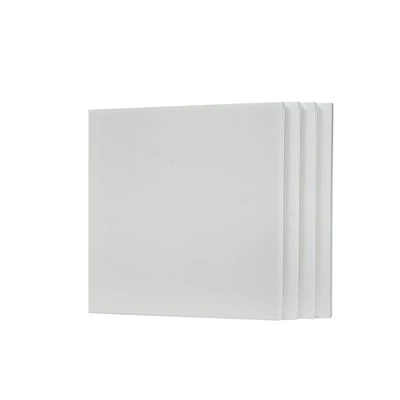
First, let’s talk about why wet insulation boards are a big deal. These boards are usually made from expanded polystyrene (EPS), extruded polystyrene (XPS), or polyisocyanurate (polyiso), right? Each has a different composition, but all rely on trapped air in their foam structure to do their job. That tiny air pocket is what makes insulation work—air is a poor conductor of heat, so it slows down heat loss from your floor to the ground below, and keeps the heat from your heating tubes where it needs to be, up into the living space. When water seeps into those foam cells, it replaces that trapped air. Water is a much better heat conductor than air, so your insulation value drops fast. Studies show that just 1% moisture content by volume can cut EPS insulation’s R-value by 7% to 10%, and for polyiso, it can be even higher because polyiso has more open-cell structure that absorbs moisture easier than XPS. If your board is 5% wet, you could be looking at a 30%+ loss in insulation performance. That means higher energy bills for the homeowner, because they’re using more electricity or gas to keep their space warm.
Also, mold and mildew are a real risk, especially if the board stays wet for more than 48 hours. Most foam insulation is resistant to mold, but that only applies when it’s dry. Once moisture is present, organic materials in the board’s manufacturing binders (small amounts, but they’re there) can feed mold spores that are always floating in the air. Mold not only smells bad, it can degrade the foam over time, weakening the board’s structure. And if you’re installing electric floor heating, there’s an extra risk: water is conductive, so if a heating cable comes into contact with wet insulation, it could cause a short circuit, which is a fire hazard. That’s not a scare tactic—it’s something we’ve had contractors mention to us after a rush job went wrong.
So, the first step when you notice a wet insulation board is to act fast. Don’t just leave it hoping it’ll dry on its own. The worst mistake we see is contractors patching over wet boards with mortar or floor coverings, sealing in the moisture. That’s a recipe for disaster. Let’s walk through the step-by-step process we recommend to every customer that reaches out about this:
Step 1: Remove any standing water immediately. If the board is in a pile on a job site, or has spilled water on it (like from a broken pipe, rain, or wet tools), grab a towel, a wet-dry vacuum, or even a squeegee to soak up as much surface water as you can. Don’t let water sit in low spots or along the edges of the boards. If the boards are stacked, separate them so none are sitting on top of a wet one—wicking moisture from one board to another is way faster than you think. We once had a contractor who stacked 10 boards on a pallet, and a leak from a overhead pipe made the bottom three wet. He didn’t separate them, and by the end of the day, all 10 had moisture in their cores. That’s a $200 loss for a small pallet, and that adds up.
Step 2: Assess how wet the board is. Not all wet boards are the same. You can do a simple test: pick up the board and weigh it compared to a dry, identical board. If it feels noticeably heavier, that’s a sign it’s absorbed moisture beyond the surface. Another test is to drill a small hole in the edge (super small, just a 1/4 inch drill bit) and see if the inside of the foam is damp. Dry EPS and XPS should have bright, crisp white inside; if it’s gray or has a dark, wet-looking spot, that’s core moisture. If it’s only surface wet, like a spill that wiped off with a towel, that’s easy to fix. If it’s core wet, that’s where you have to be careful.
Step 3: Dry the board properly, not just in the sun. A lot of people will lay boards out in direct sunlight, and while that works for surface drying, it’s not enough for core moisture. Sunlight can also degrade polystyrene foam over time—prolonged UV exposure makes it brittle, which will weaken the board so it can’t support the weight of the floor and heating tubes. The best way to dry core wet boards is to set them in a well-ventilated, shaded area, elevated off the ground (so air can circulate underneath) with space between each board (no touching). You can use fans to blow air across and between the boards—high-velocity, low-speed fans are perfect for this, because they move air without blowing debris onto the surface. How long does it take? For a board with 1% moisture content, about 24 to 48 hours with good ventilation. For a board that’s 3% or more, it can take 3 to 5 days. If you try to rush it with heaters, don’t use heat over 120 degrees Fahrenheit (49 Celsius). Higher heat can cause the foam to expand unevenly, which warps the board and makes it hard to lay straight later.
Step 4: Test the insulation value after drying. Once you think the board is dry, do a quick check with a pinless moisture meter (the kind used for building materials, not just wood). We recommend a moisture content of less than 1% by volume for EPS and XPS, and less than 2% for polyiso. If it’s above that, it’s not dry yet—keep ventilating. If you don’t have a meter, another trick is to hold a dry paper towel against the cut edge of the board for 5 minutes. If the towel is damp, the board is still wet. Don’t skip this test—we’ve seen contractors put down boards that “felt dry” but still had 3% moisture, and the homeowner’s energy bill went up 20% the first winter.
Now, what if the board is too wet to dry properly? There’s a rule of thumb we follow: if a board has more than 5% moisture content, or if it’s been wet for more than 72 hours without drying, it’s best to replace it. Even if you dry it, the insulation value will never get back to what it was before, and there’s a higher risk of mold growing over time. It’s cheaper in the long run to replace a $10 insulation board than to deal with energy bills or mold remediation later. We also tell our customers that if the wetting was from a pipe leak, you should check the subfloor too—if the subfloor is wet, it can keep the insulation board damp even after you dry it, so you might need to dry or replace that as well.
A lot of people ask us, “Can I use a water-resistant insulation board to avoid this?” The answer is: no, there’s no such thing as 100% water-resistant foam insulation. XPS is more water-resistant than EPS, and polyiso has a facer (usually aluminum foil or fiberglass) that helps repel water, but they all will absorb moisture if submerged. The facer on polyiso can tear during installation, leaving the foam exposed, and even XPS can get water in if it’s stacked in heavy rain for days. The key isn’t to make it waterproof—it’s to prevent moisture from getting into the core in the first place. That means storing insulation boards on a raised pallet, covered with a tarp, away from overhead leaks. If you’re installing, keep the boards covered until you’re ready to lay them, and don’t leave them exposed overnight if it’s going to rain or if the job site gets damp.
We’ve had a few customers come back to us after making mistakes here. Last year, a small remodeling company in Ohio ordered 50 boards for a basement floor heating project. They stored them in the back of their truck for three days while waiting for the subfloor to be prepped, and it rained twice. They installed them without checking, and the homeowner called them a month later saying their basement was cold and they were getting a musty smell. The contractor had to rip out the floor, replace the insulation, and reinstall the heating tubes—costing them over $2,000 in labor and materials. That’s why we always emphasize: when in doubt, check the moisture, don’t cut corners.
Now, what if you’ve already installed wet boards? The process changes a bit there, because you can’t just pull them up. If you’ve just installed the heating tubes and are laying the insulation, and you notice it’s wet, stop immediately. If you haven’t poured the mortar or laid the subfloor, you can usually pull the insulation back, dry it, and replace it. If you’ve already put mortar down, you have a bigger problem. You’ll need to let the space dry completely—use dehumidifiers, fans, and check moisture levels in the mortar. It can take a week or more for a wet installed insulation board to dry, and you’ll have to monitor for mold. If mold starts to grow, you’ll have to remove the affected insulation, clean the area, and replace it.
One final note: never use a wet insulation board in any case, even if it feels dry a week later. The R-value might be reduced, and the structural integrity is weaker. Wet foam is more brittle, so if you walk on it during installation, it can crack, leaving gaps that let heat escape. Those gaps are another hidden energy drain—even a small gap between two boards can cut insulation performance by another 5%.
At our company, we supply floor heating insulation boards for all types of projects, from small residential upgrades to large commercial buildings, and we’ve built our reputation on giving straight, practical advice. We know that job sites are busy, and it’s easy to miss a spill or a rain leak, but taking 10 minutes to check your boards when you unload them can save you thousands in the long run. If you’re dealing with wet insulation boards on a current project, or you want to stock up on the right materials for your next job, we’re here to help. Our team can answer any questions, walk you through drying steps, or provide high-quality, moisture-resistant boards for your project to prevent this issue from happening again. Reach out to our team to discuss your needs and get a customized solution for your floor heating project.
Insulation Board References
- American Society of Heating, Refrigerating and Air-Conditioning Engineers (ASHRAE). 2021. Thermal Insulation Materials and Systems. ASHRAE Handbook—Fundamentals.
- International Code Council (ICC). 2018. Residential Code for One- and Two-Family Dwellings. Chapter 11: Energy Conservation.
- Polyisocyanurate Manufacturers Association (PMA). 2020. Moisture Performance of Polyisocyanurate Insulation Foams. PMA Technical Bulletin.
- Extruded Polystyrene Association (XPSA). 2019. Handling and Storage Guidelines for XPS Insulation Boards. XPSA Field Guide.
Wenzhou Lejia Energy-saving Material Co., Ltd.
As one of the leading manufacturers and suppliers of floor heating insulation board in China, we’re featured by quality products and good service. Please rest assured to buy advanced floor heating insulation board for sale here from our factory. We also accept customized orders.
Address: Block A, No. 128 Changxiu Road, Lingkun Subdistrict, Wenzhou Marine Economy Development Demonstration Zone, Zhejiang Province, China.
E-mail: luckyfoam@vip.163.com
WebSite: https://www.lfxps.com/
