The ease of use of cycling shoes goes far beyond mere convenience; it encompasses a blend of functionality, comfort, and efficiency that significantly enhances the cycling experience. As a cycling shoes supplier, I’ve had the privilege of witnessing firsthand how these specialized shoes can transform a cyclist’s journey, whether it’s a casual weekend rider or a professional athlete. Cycling Shoes

Functionality: The Core of Cycling Shoes
One of the primary features that contributes to the ease of use of cycling shoes is their compatibility with clipless pedal systems. Clipless pedals allow cyclists to connect their shoes directly to the pedals, creating a more efficient power transfer. When a cyclist presses down on the pedal, the connected shoe ensures that almost all the force is transferred to the drivetrain, resulting in a smoother and more powerful ride. Unlike traditional flat pedals, where the cyclist only utilizes the downward motion, clipless pedals enable the cyclist to also pull up on the backstroke, effectively doubling the power application during each pedal stroke.
The cleats on cycling shoes are designed to be easily adjustable. Cyclists can fine – tune the position of the cleats on the sole of the shoe to optimize their pedaling biomechanics. This adjustability helps to reduce the risk of injuries such as knee pain and muscle fatigue. For example, a cyclist with a wider pedal stroke may adjust the cleats to a more outward position, while someone with a shorter, more compact stroke can move them inwards. This personalized adjustment ensures that the cyclist can maintain a natural and efficient pedaling motion over long distances.
Another aspect of functionality is the stiffness of the shoe sole. Cycling shoes typically have extremely stiff soles made from materials like carbon fiber or high – density plastics. A stiff sole prevents the foot from flexing in the wrong places during the pedal stroke, which in turn enhances power transfer. Riders don’t have to worry about losing energy due to the deformation of the sole, allowing them to focus solely on generating power. Moreover, the stiffness provides stability, especially when climbing hills or sprinting, where a solid platform is crucial for maintaining control and balance.
Comfort: A Key Factor for Long – Term Use
Comfort is paramount when it comes to cycling shoes, as riders often spend hours on the saddle. Many modern cycling shoes feature a well – padded interior that conforms to the shape of the foot. The padding helps to distribute pressure evenly across the foot, reducing the likelihood of hotspots and blisters. Additionally, the use of breathable materials in the upper part of the shoe allows for proper ventilation. This is essential because during a long – distance ride, the feet tend to sweat, and if the shoes don’t allow air circulation, it can lead to discomfort, odor, and even fungal infections.
The closure systems of cycling shoes also contribute to comfort. There are various types of closure systems available, such as traditional laces, Velcro straps, and BOA dials. Laces offer a classic and customizable fit, but they may come undone during a ride. Velcro straps are easy to adjust and provide a secure fit, while BOA dials are becoming increasingly popular due to their precision and ease of use. With a simple turn of the dial, cyclists can tighten or loosen the shoe to their desired level of comfort. This hands – free adjustment is particularly useful when the cyclist is on the move and doesn’t want to stop and fiddle with a complicated closure system.
The anatomical design of cycling shoes is another factor that enhances comfort. The shoes are designed to support the natural shape of the foot, including the arch and heel. A proper arch support helps to maintain the foot’s alignment during the pedal stroke, reducing the stress on the ligaments and tendons. The heel cup in cycling shoes is typically well – contoured to hold the heel firmly in place, preventing it from slipping up and down. This stability not only adds to the comfort but also improves the efficiency of the pedaling motion.
Efficiency: Saving Time and Energy
Cycling shoes can save cyclists a significant amount of time and energy. As mentioned earlier, the power transfer efficiency provided by clipless pedals and stiff soles means that riders can achieve more speed with less effort. This is especially beneficial in competitive cycling, where every second counts. Even for recreational cyclists, it means that they can cover longer distances without getting overly fatigued.
In addition to the physical efficiency, cycling shoes also offer practical efficiency. For example, they are often designed to be lightweight. A lighter shoe reduces the overall weight of the cyclist’s equipment, which in turn requires less energy to move. Modern manufacturing techniques and materials have made it possible to produce cycling shoes that are both light and durable.
Moreover, cycling shoes are easy to clean and maintain. Most of them can be wiped clean with a damp cloth, and the materials used in their construction are resistant to wear and tear. This means that cyclists don’t have to spend a lot of time and money on upkeep, allowing them to focus more on riding.
Considerations for Different Types of Cycling
The ease of use of cycling shoes can also vary depending on the type of cycling. For road cycling, where speed and long – distance riding are key, the shoes are usually designed to be lightweight and aerodynamic. They often have a sleek profile and minimalistic design to reduce drag. The cleats for road cycling shoes are typically recessed slightly into the sole, which allows the cyclist to walk short distances without much difficulty when they are off the bike.
Mountain biking requires cycling shoes that can withstand rough terrain and provide good grip. The soles of mountain bike shoes have a more aggressive tread pattern compared to road cycling shoes, which helps with walking on uneven surfaces. The cleats are also designed to be more durable, as they may be subjected to more impact and abrasion during off – road rides.
Track cycling shoes are optimized for high – speed, short – distance races. They are often very stiff and have a simple closure system to ensure maximum power transfer. Since track cyclists don’t need to walk much, the shoes may have exposed cleats for maximum pedal engagement.
Conclusion
In conclusion, the ease of use of cycling shoes lies in their unique combination of functionality, comfort, and efficiency. Whether you’re a professional cyclist looking for that extra edge in a race or a casual rider who wants to enjoy a comfortable and efficient ride, the right pair of cycling shoes can make a world of difference. As a cycling shoes supplier, I am committed to providing high – quality shoes that meet the diverse needs of cyclists.
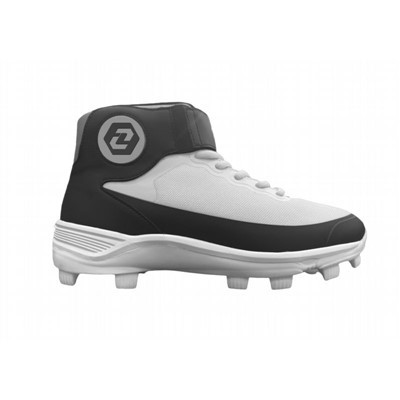
If you’re interested in enhancing your cycling experience and exploring our range of cycling shoes, I invite you to get in touch for procurement discussions. We offer a variety of models suitable for different cycling disciplines and preferences. Contact us to learn more about our products and how they can help you achieve your cycling goals.
Baseball Cleats References
- Wilson, C., & Coggan, A. R. (2011). Training and Racing with a Power Meter. VeloPress.
- Burke, E. R. (2007). The Cyclist’s Training Bible. VeloPress.
- Friel, J. (2011). The Triathlete’s Training Bible. VeloPress.
Quanzhou Yangwang Trading Co., Ltd.
Address: No. 234-1 East Qiguang Road, Handai Village, Chendai Town, Jinjiang City, Quanzhou City, Fujian Province.
E-mail: mariajose@quanzhouyangwang.com
WebSite: https://www.fuyingshoes.com/
