Hey there! I’m a supplier of reverse osmosis membranes, and today I wanna chat about what the scaling of reverse osmosis membranes is. Reverse Osmosis Membranes

So, first off, what’s reverse osmosis? Well, it’s a water purification process that uses pressure to force water through a semi – permeable membrane, leaving behind contaminants and impurities. Reverse osmosis membranes are super important in this process. They’re like the gatekeepers, deciding what gets through and what doesn’t.
Now, let’s get into the nitty – gritty of membrane scaling. Scaling is basically the formation of solid deposits on the surface of the reverse osmosis membrane. It’s like when you see limescale build – up on your kettle at home, but on a much more technical and crucial scale.
These deposits are usually made up of inorganic salts such as calcium carbonate, calcium sulfate, barium sulfate, and silica. When the concentration of these salts in the water exceeds their solubility limit, they start to precipitate out and form a hard, crusty layer on the membrane.
There are a few factors that can lead to membrane scaling. One biggie is the water chemistry. If the feed water has a high concentration of scaling salts, it’s more likely that scaling will occur. For example, if the water comes from a well with a lot of calcium and magnesium ions, these can easily form scale on the membrane.
Another factor is the recovery rate. The recovery rate is the percentage of the feed water that is converted into product water. If the recovery rate is too high, the concentration of salts in the remaining water (the concentrate) increases. As this concentration goes up, the likelihood of salt precipitation and scaling also goes up.
Temperature also plays a role. In general, the solubility of salts decreases as the temperature increases. So, if the water temperature in the reverse osmosis system gets too high, the salts are more likely to come out of solution and form scale.
The pH of the water is yet another factor. Some salts are more likely to precipitate at certain pH levels. For example, calcium carbonate is more likely to form at higher pH values. So, if the pH of the feed water isn’t properly controlled, it can contribute to scaling.
Now, why is membrane scaling such a big deal? Well, for starters, it reduces the membrane’s performance. The scale layer acts as a barrier, making it harder for water to pass through the membrane. This means that the flow rate of the product water decreases, and you might need to increase the pressure to maintain the same flow. But increasing the pressure puts more stress on the membrane and can lead to premature membrane failure.
Scaling also affects the quality of the product water. As the membrane becomes less efficient due to scaling, more contaminants can pass through, reducing the purity of the water.
It can also increase the operating cost of the reverse osmosis system. You might need to use more energy to pump the water at higher pressures, and you’ll likely have to replace the membranes more frequently.
So, how can we prevent membrane scaling? There are a few strategies. One is pre – treatment of the feed water. This can involve processes like softening, which removes calcium and magnesium ions from the water. Another is adding anti – scaling chemicals to the feed water. These chemicals work by inhibiting the formation and growth of scale crystals.
Monitoring and controlling the operating conditions is also crucial. We need to keep an eye on the water chemistry, recovery rate, temperature, and pH. By adjusting these parameters as needed, we can minimize the risk of scaling.
Regular cleaning of the membranes is another key step. There are different types of cleaning methods, including physical cleaning (like flushing) and chemical cleaning. Chemical cleaning uses specific cleaning agents to dissolve the scale and remove it from the membrane surface.
As a reverse osmosis membrane supplier, I’ve seen firsthand the impact of scaling on membrane performance. I’ve worked with many customers to help them deal with scaling issues and prevent them from happening in the first place.
We offer a wide range of high – quality reverse osmosis membranes that are designed to resist scaling to some extent. Our membranes are made with advanced materials and manufacturing techniques that make them more durable and less prone to scale formation.
But it’s not just about selling the membranes. We also provide comprehensive support to our customers. We can help with the design of the reverse osmosis system, taking into account the water quality and the specific requirements of the application. We can offer advice on pre – treatment options, anti – scaling chemicals, and cleaning procedures.
If you’re in the market for reverse osmosis membranes, or if you’re struggling with scaling issues in your existing system, don’t hesitate to reach out. We’re here to help you find the best solutions for your needs. Whether you’re a small – scale user or a large industrial operation, we have the expertise and the products to support you.
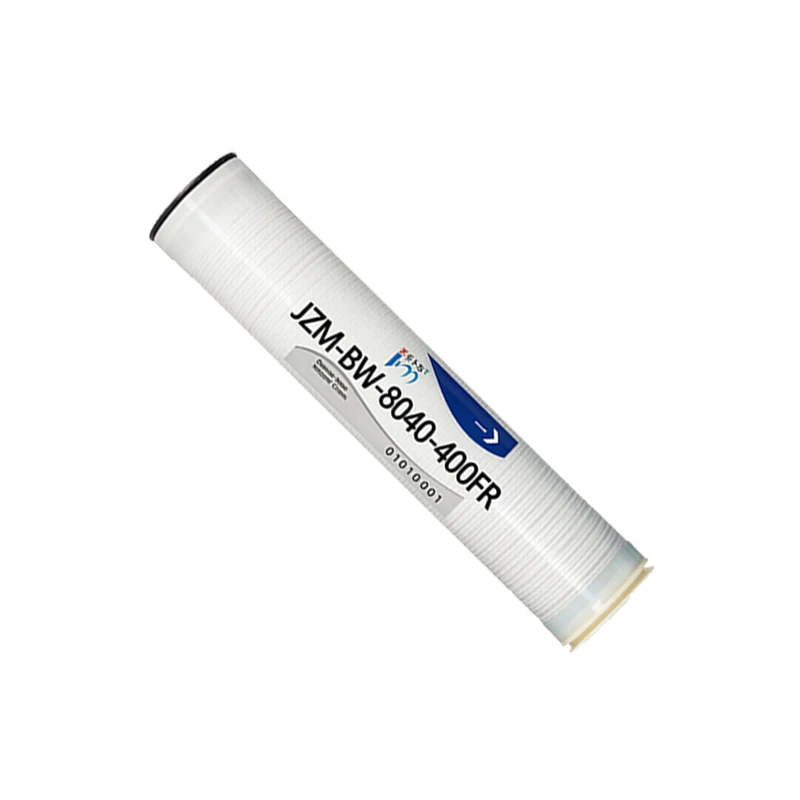
In conclusion, understanding the scaling of reverse osmosis membranes is crucial for anyone using these membranes in a water purification system. By being aware of the causes, effects, and prevention methods, you can ensure the long – term performance and efficiency of your system. And if you need any help along the way, we’re just a message away.
Reverse Osmosis Membranes References
- "Reverse Osmosis Membrane Technology" by William J. Lonsdale
- "Water Treatment Membrane Processes" by David W. F. Rudd
Shandong Jinzhimo Environmental Protection Technology Co., Ltd.
As one of the most professional reverse osmosis membranes manufacturers and suppliers in China, we also support customized service. Please feel free to wholesale advanced reverse osmosis membranes in stock here from our factory. For pricelist, contact us now.
Address: Room 101, Building 9, Shangri-La, Jinlong Road, Zhaoyuan City, Yantai City, Shandong Province
E-mail: zhanglina0778@126.com
WebSite: https://www.sdjzmhb.com/
