Hey there! I’m a supplier of nonionic softeners, and today I wanna chat about how these cool products interact with hard water. You know, hard water is a real pain in the neck for a lot of folks. It’s got all these minerals like calcium and magnesium floating around, and they can cause all sorts of problems. Nonionic Softener

Let’s start by understanding what hard water is. Hard water forms when water passes through rocks and soil that contain calcium and magnesium compounds. These minerals dissolve in the water, making it "hard." When you use hard water in your laundry, for example, those minerals can build up on your clothes. They make the fabric feel stiff and rough, and they can even reduce the lifespan of your clothes.
So, how does a nonionic softener come into play? Nonionic softeners are different from the more common ionic softeners. Ionic softeners work by using charged particles to interact with the minerals in hard water. But nonionic softeners don’t have a charge. Instead, they work in a more gentle way.
One of the key ways nonionic softeners interact with hard water is through a process called encapsulation. The molecules of the nonionic softener surround the calcium and magnesium ions in the hard water. It’s like putting a little coat around these pesky minerals. This stops them from sticking to your clothes and other surfaces.
Another way nonionic softeners work is by reducing the surface tension of the water. In hard water, the minerals can increase the surface tension, which makes it harder for the water to spread and clean effectively. Nonionic softeners lower this surface tension, allowing the water to penetrate the fabric better. This means that your clothes get cleaner, and the softener can do its job of making them feel soft and fluffy.
Now, let’s talk about the benefits of using nonionic softeners in hard water. First off, they’re really gentle on your clothes. Since they don’t use harsh chemicals like some ionic softeners, they won’t damage the fabric. This is great for delicate materials like silk and wool.
Secondly, nonionic softeners are more environmentally friendly. They don’t contain a lot of the chemicals that can be harmful to the environment. When you use them in hard water, you’re not only taking care of your clothes but also doing your part for the planet.
But it’s not all sunshine and rainbows. There are a few challenges when using nonionic softeners in hard water. One of the main issues is that they might not be as effective in very hard water. The high concentration of minerals can sometimes overwhelm the softener’s ability to encapsulate them. In these cases, you might need to use a higher dose of the softener or combine it with other water – treatment methods.
Another thing to keep in mind is that nonionic softeners can be a bit more expensive than ionic ones. However, I believe the benefits they offer in terms of fabric care and environmental friendliness are worth the extra cost.
If you’re dealing with hard water and you’re not sure whether to switch to nonionic softeners, here are some tips. First, start with a small amount and see how it works. You can gradually increase the dose if needed. Also, make sure you’re using the softener correctly. Follow the instructions on the label to get the best results.
As a nonionic softener supplier, I’ve seen firsthand how these products can make a big difference. I’ve had customers who were really frustrated with the effects of hard water on their clothes. After switching to our nonionic softeners, they were amazed at how much softer and cleaner their clothes felt.
I’ve also heard from customers who were concerned about the environmental impact of their laundry products. Nonionic softeners give them peace of mind knowing that they’re using a more sustainable option.
So, if you’re tired of dealing with the problems of hard water, I encourage you to give nonionic softeners a try. They can transform your laundry experience and make your clothes last longer. Whether you’re a homeowner looking for a better way to care for your clothes or a business in the textile industry, nonionic softeners are a great choice.
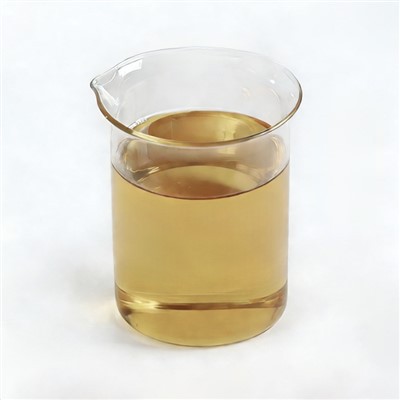
If you’re interested in learning more about our nonionic softeners or want to discuss a potential purchase, don’t hesitate to reach out. We’re always happy to answer your questions and help you find the right product for your needs. Let’s work together to make your hard – water problems a thing of the past!
Weak Cationic Softener References:
- "Water Quality and Treatment: A Handbook of Community Water Supplies" by American Water Works Association
- "Textile Chemicals: Environmental Data and Facts" by H. K. Rouette
Nanfeng Dasun Technology Co., Ltd.
As one of the leading nonionic softener manufacturers and suppliers in China, we offer a wide range of products with superior quality for industrial. Please rest assured to buy bulk nonionic softener made in China here from our factory. Contact us for more details.
Address: Nanfeng Industrial Park, Nanfeng County, Fuzhou City, Jiangxi Province, China
E-mail: Inquiry@honechem.com
WebSite: https://www.honechem.org/
